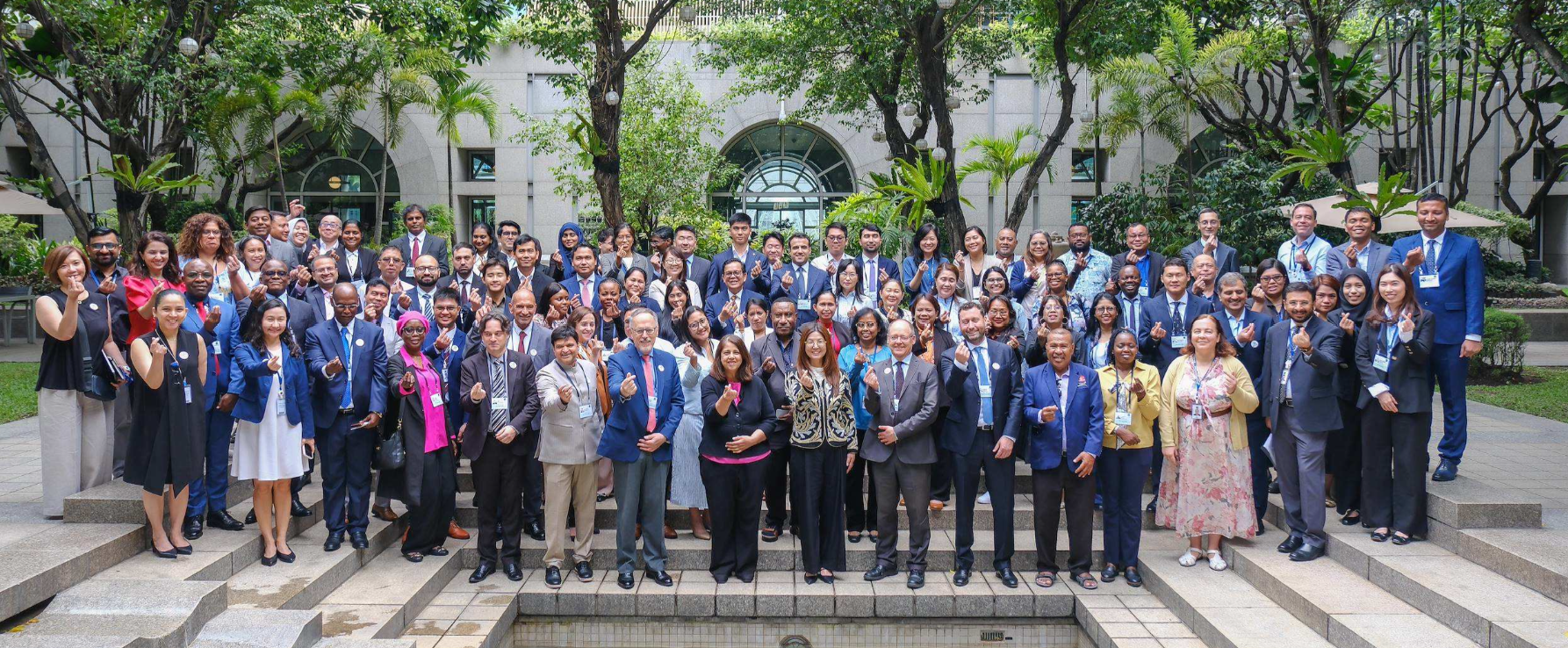
The participation of Mr. Charlie Martial Ngounou, President of AfroLeadership, in the PEFA Flagship Training and International Conference on Public Financial Management for Development, held June 23–26, 2026, in Manila, Philippines, helped solidify a strategic vision of the central role of public financial management (PFM) systems in the sustainable transformation of African nations.
Bringing together international experts, public policymakers, and high-level practitioners, this event provided an opportunity to explore the latest approaches to evaluating public financial management systems and to discuss the reforms essential for more effective, transparent, and accountable governance.
First, the PEFA (Public Expenditure and Financial Accountability) framework reaffirms its status as a global benchmark for evaluating the performance of public financial management (PFM) systems. Based on harmonized indicators, this methodology helps identify the strengths and weaknesses of budget systems and guide reforms toward greater efficiency in public spending.
For AfroLeadership, this approach serves as a strategic tool that will strengthen its budget analyses, advocacy efforts, and support for public policies.The discussions also highlighted the close link between budget credibility, transparency in public finances, and citizens’ trust in institutions. The experiences presented demonstrated that countries that improve budget transparency, the quality of financial information, and oversight mechanisms sustainably strengthen the legitimacy of public action.
These lessons reinforce AfroLeadership’s commitment to citizen-centered budgets, access to public information, and citizen participation in the budget process.
The conference also highlighted the growing role of digital transformation in the modernization of public finances. The digitization of budgetary procedures, the development of integrated financial management systems, and the opening up of public data are now seen as essential drivers for improving government performance, reducing the risk of corruption, and strengthening accountability.
AfroLeadership intends to further integrate these innovations into its digital governance and budget transparency initiatives.
The discussions also emphasized the need to adopt a comprehensive approach to reforms, linking planning, budgeting, execution, monitoring, and auditing. Participants noted that isolated sectoral reforms yield limited results, whereas an integrated approach fosters sustainable change.
This vision aligns with AfroLeadership’s strategic priorities, as the organization already supports government authorities, decentralized local governments, and civil society organizations in improving public financial governance.
Another key lesson concerns national capacity building. The experts emphasized that the success of reforms depends on government agencies, oversight institutions, parliamentarians, and civil society taking ownership of the assessment tools.
Building on this experience, AfroLeadership aims to develop new training, awareness-raising, and multi-stakeholder dialogue programs tailored to African realities.
Looking ahead, AfroLeadership reaffirms its commitment to leveraging the expertise it has acquired to support public finance reforms in Cameroon and across Africa. The organization intends to strengthen its support for PEFA assessments, promote the strategic use of their results, develop budget literacy tools accessible to citizens, and foster constructive dialogue between public authorities and the public.
Beyond its technical dimension, the PEFA framework has now established itself as a genuine instrument for transforming public governance. By drawing on international standards while adapting them to African realities, AfroLeadership reaffirms its commitment to promoting institutions that are more transparent, more accountable, and more results-oriented, in the service of sustainable development and the well-being of citizens.