
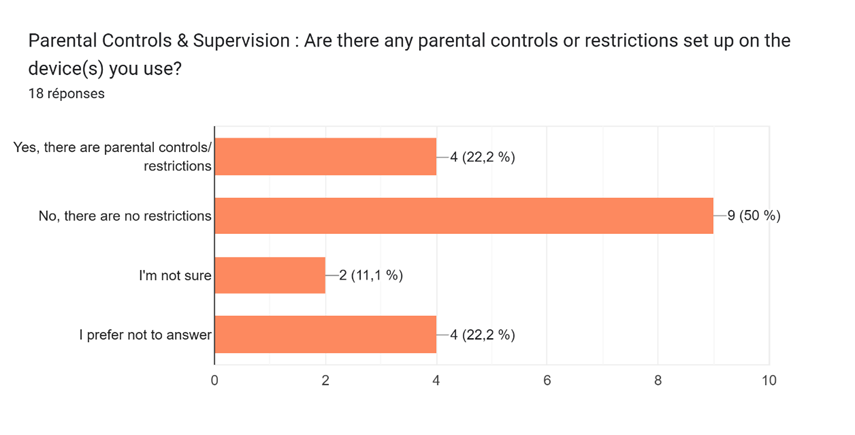
Fifty percent of surveyed Cameroonian students ages 10-17 use smartphones with no parental restrictions. They navigate social media, AI-powered apps, and digital marketplaces largely on their own and unaware of the effect of the attachment economy. This is the reality that drove the launch of the Africa Online Child Protection Program (ACOPP) in November 2025, a panafrican multi-stakeholder initiative designed to equip young people aged 10 to 17 with the knowledge, skills, and confidence to navigate the digital world safely and responsibly.Cameroon was selected as the pilot country. A choice rooted in its rapidly expanding digital ecosystem, vibrant youth population, and growing demand for structured digital education. The pilot aimed to serve as a scalable model for future implementation across Africa, aligning strongly with Aspiration 7 of the Africa 2040 Agenda: “Every child is protected against violence, exploitation, neglect and abuse.”
A Coalition for Change
ACOPP’s success stems from strategic collaboration: AfroLeadership provides policy coordination and advocacy; Cabinet Impact leads community engagement and implementation; Fujitsu contributes technical expertise for curricula development; and Turing Space delivers secure digital certification. This partnership model demonstrates how civil society, consulting expertise, technology leaders, and digital security innovators can unite for youth protection.
The Dewey International School Pilot: Two Workshops, One Transformative Experience
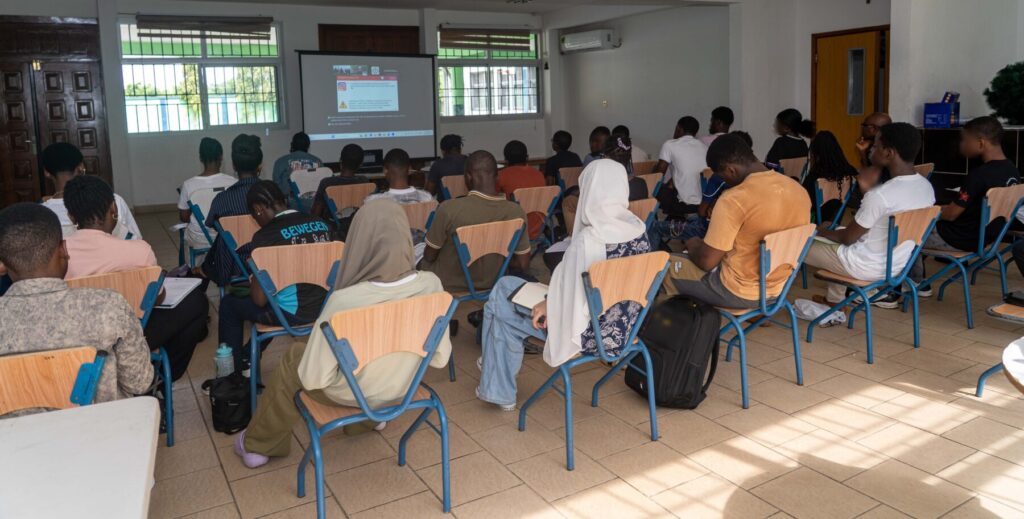
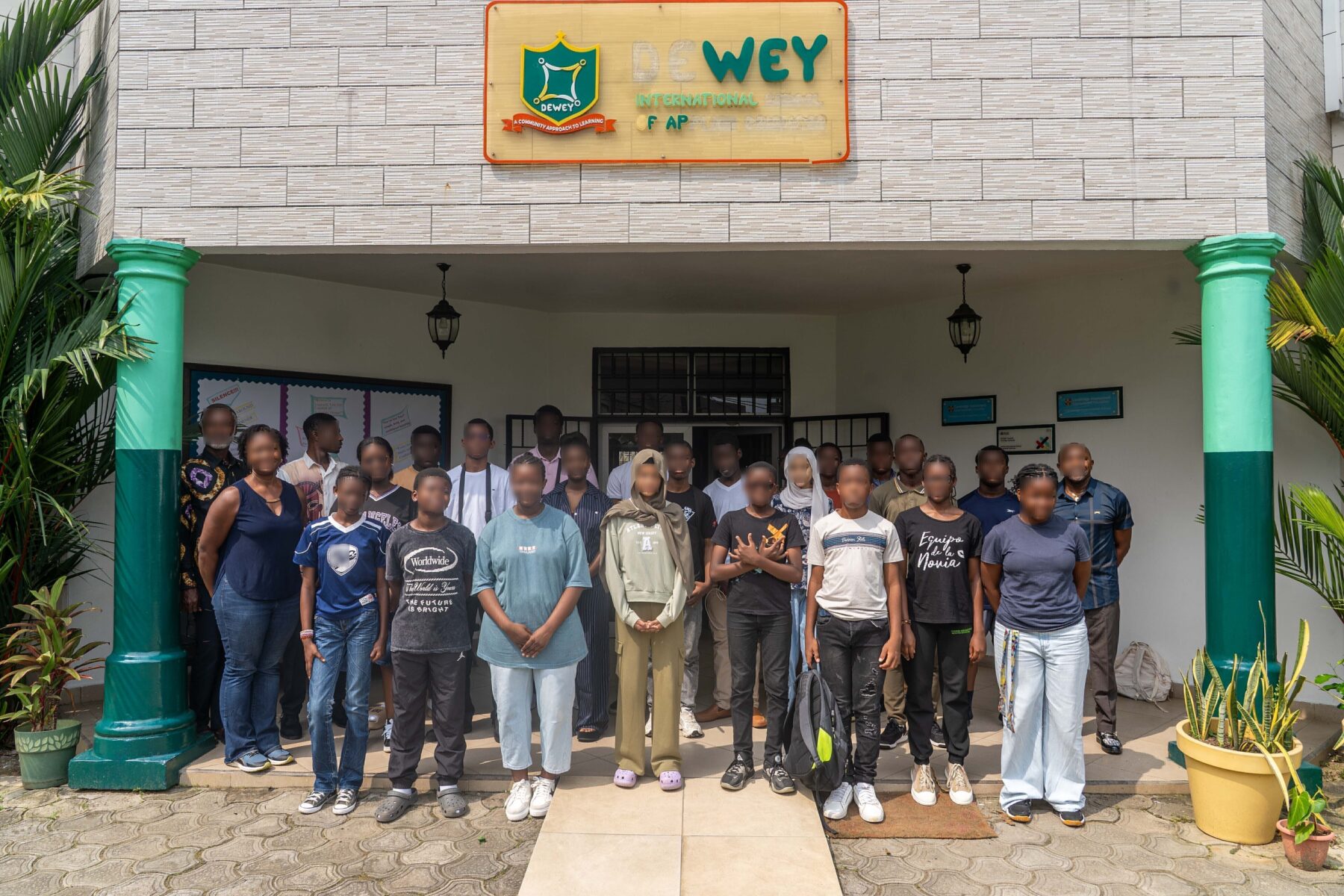
The Dewey International School of Applied Science in Douala became the first institution to host the “Youth and Digital Awareness Workshop Series,” a two-part program delivered on Saturdays to accommodate students’ schedules. Workshop I, held in November 2025, brought together 30 students, while Workshop II, in December 2025, welcomed 31 students.
Workshop I: Foundations of Digital Citizenship

It introduced fundamental concepts of digital safety and digital rights and responsibilities. Participants engaged with critical topics including privacy protection, understanding their digital footprint, and effective password management. The sessions generated meaningful conversations about what it means to be a responsible digital citizen in today’s interconnected world.
Workshop II: Advanced Digital Competencies

Building on the foundation established in November, it delved into artificial intelligence ethics, cybersecurity, and digital wellbeing. This session addressed the complex ethical landscape of AI, with accuracy and bias emerging as the primary concerns among participants.
Upon completing both workshops, students received digital certificates from Turing Space, providing verifiable credentials that recognize their enhanced digital literacy.
Student Feedback Shapes the Program
Students didn’t just absorb information; they shaped the program’s evolution. After Workshop I, participants requested more hands-on exercises and sessions with breaks and refreshments. The implementation team responded immediately, incorporating more interactive activities and structured break times into Workshop II. One student’s suggestion, “add more videos” is already being integrated into the next iteration of the curriculum.
Measuring Impact: Voices from the Classroom
When asked what single lesson they would apply immediately, students’ responses revealed their priorities: “I learned to check for HTTPS before entering passwords,” shared one participant. Another noted, “I never thought about my digital footprint before; now I know everything stays online.”
Evaluation data of the Workshop I showed a significant increase in awareness regarding digital rights. Students who previously navigated the web passively reported feeling “mostly clear” or “very clear” about their responsibilities online. One of the key takeaways was a newfound comfort in protecting personal privacy, a critical skill in an era of data ubiquity.
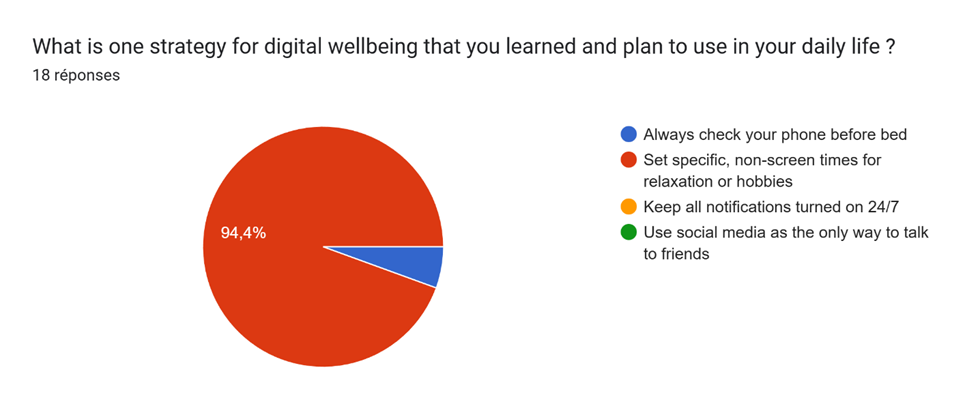
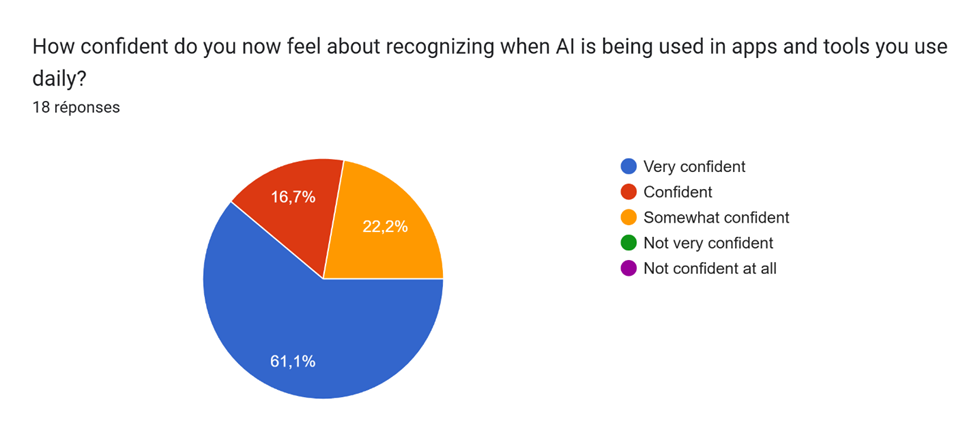
A post-session survey for Workshop II revealed transformative commitments: 94.4% of participants pledged to adopt specific digital wellbeing practices such as reducing screen time, muting notifications, and thinking before posting. More than 60% reported feeling confident in recognizing AI use in their daily apps, and participants identified concrete cybersecurity steps they would implement: using strong passwords (mentioned by 78% of respondents), avoiding public Wi-Fi for sensitive activities, and verifying HTTPS protocols.
Interestingly, the data revealed that while 83.3% of these students use their own smartphones or laptops, 50% reported having no parental restrictions on their devices. This statistic alone validates ACOPP’s urgency: we are filling a safety gap that exists in 1 out of every 2 student homes. Without parental digital guardrails, schools and community programs have become the primary line of defense against cyberbullying, exploitation, and misinformation. ACOPP doesn’t replace parental responsibility: it provides the structured support that many families lack resources or knowledge to offer.
What’s Next: A Roadmap for 2026
The Dewey International School pilot has established a replicable model. In 2026, ACOPP aims to:
- Expand to 10 additional schools across major cities in Cameroon and Africa ;
- Develop a French-language curriculum alongside the existing English version ;
- Launch a “Train the Trainers” program for educators to become certified digital literacy mentors ;
- Create a parent engagement module addressing the 50% gap in home-based digital supervision.
Every school that joins this network becomes part of ACOPP digital protection infrastructure.
The future of Africa is digital and it’s already here. In Douala, 31 students now check for HTTPS before entering passwords. They question AI bias. They protect their digital footprints. This is how continental transformation begins: one classroom, one workshop, one empowered young person at a time. Ensuring that every child is protected, informed, and empowered online is not just a goal: it is a responsibility we share and one we can fulfill together.
